

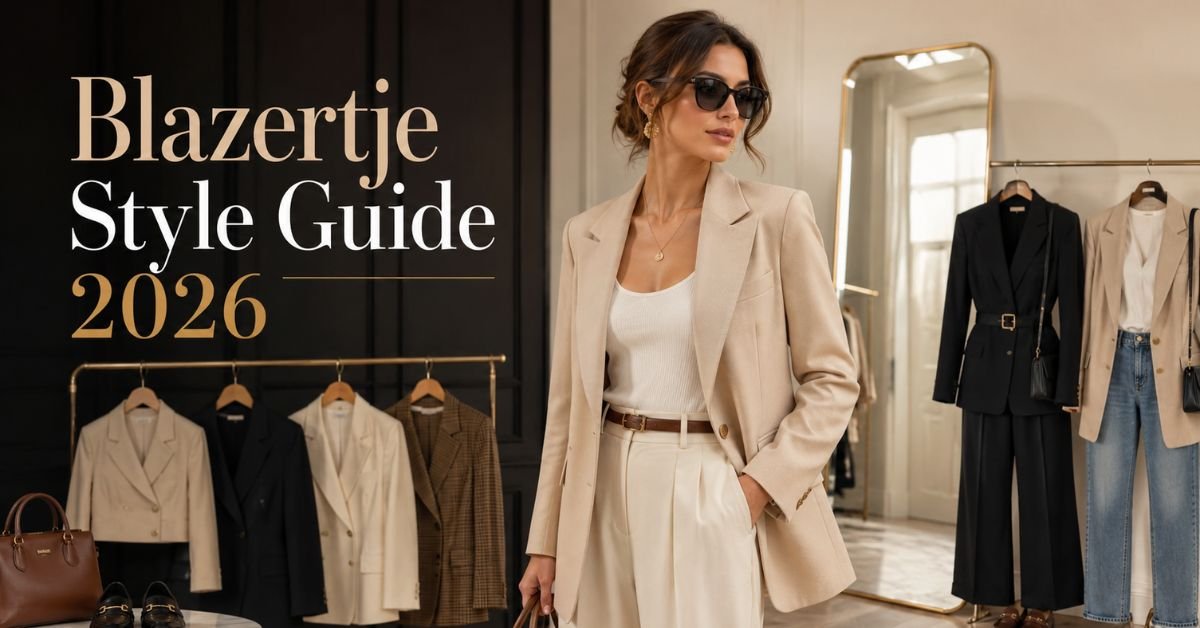
Introduction
Fashion trends change quickly, yet a well-cut blazer remains valuable because it combines confidence, structure, and comfort. A Blazertje gives this classic garment a lighter, modern character, allowing it to move between work, travel, dinner, and relaxed weekends. It can make basic clothes look polished without creating the strict feeling of a full business suit. In 2026, shoppers are focusing on breathable fabrics, flexible fits, lasting quality, and pieces that work in several outfits. Choosing the right jacket requires an understanding of fit, shape, fabric, color, and daily routine. This guide explains how to select, style, and care for a modern blazer so it becomes a dependable wardrobe piece.
What Is a Blazertje?
A “blazertje” is generally understood as a light or compact version of a traditional blazer. It may be cropped, softly tailored, fitted, boxy, oversized, lined, or partly unlined. Some designs look formal, while others feel like smart-casual jackets. The term does not describe one exact cut. Study the measurements, material, shoulder shape, and length instead of relying solely on the product name.
Why a Blazertje is a Useful Wardrobe Piece
A Blazertje can sharpen jeans and a T-shirt, add shape to a dress, or complete tailored trousers for work. A neutral design may also replace several less useful jackets.
Its main benefits include the following:
- It works for casual, professional, and evening outfits.
- It adds polish without looking overly formal.
- It pairs with jeans, skirts, dresses, and trousers.
- It provides light coverage in cool rooms.
- It helps a small wardrobe create more combinations.
A jacket that matches three tops and three bottoms usually offers better value.
How to Check the Fit
Fit matters more than price or brand. A Blazertje should feel comfortable when the wearer stands, sits, reaches forward, and bends the arms. The shoulder area needs special attention because it is difficult to alter.
Use this five-point check
- Shoulder seams should sit near the natural shoulder edge.
- The collar should rest flat against the neck.
- Sleeves should not cover most of the hands.
- The front should close without deep pulling lines.
- The back and vents should fall smoothly.
Small sleeve changes are possible, but badly fitting shoulders are harder to correct.
Choosing the Best Shape
Different cuts create different effects. A cropped Blazertje highlights the waist and works with high-rise bottoms. A fitted jacket creates a neat outline for work. A boxy cut feels relaxed, while an oversized design leaves room for layers.
| Jacket shape | Best use | Main effect |
| Cropped | Dresses and high-rise bottoms | Defines the waist |
| Fitted | Work and smart events | Creates a clean outline |
| Boxy | Casual outfits | Adds relaxed structure |
| Oversized | Layering and street style | Gives comfort and volume |
The right shape is the one that feels balanced and natural.
Selecting a Comfortable Fabric
Fabric controls warmth, breathability, movement, care, and appearance. A lightweight Blazertje made from linen or cotton suits warm weather, while wool and thicker blends are better for cooler conditions.
Common choices include
- Linen for airflow and a relaxed finish.
- Cotton twill for everyday strength.
- Lightweight wool for smooth drape.
- Jersey or ponte for stretch and movement.
- Blended fabric for shape and wrinkle resistance.
Read the fiber and care labels because similar-looking jackets may feel entirely unique.
Easy Outfit Ideas

A Blazertje works best with simple clothing. The jacket should bring the outfit together rather than compete with every item.
| Occasion | Simple outfit formula | Shoes |
| Casual day | T-shirt, straight jeans, jacket | Clean sneakers |
| Office | Shirt, tailored trousers, jacket | Loafers |
| Dinner | Plain dress, cropped jacket | Heels or ankle boots |
| Travel | Knit top, relaxed trousers, soft jacket | Comfortable flats |
| Weekend | Tank top, wide-leg jeans, boxy jacket | Sandals or trainers |
Repeating one jacket color in the shoes, bag, or top can connect the full look.
Choosing a Useful Color
Color affects how often a Blazertje will be worn. Black, navy, camel, cream, brown, and grey are easy to combine with wardrobe basics.
A simple color plan is
- Select a neutral shade for maximum flexibility.
- Use one bright jacket as the main statement.
- Match warm shades with warm-toned accessories.
- Check the color in daylight.
- Avoid shades that clash with existing clothes.
Before removing the tags, create three outfits. If the jacket works with only one combination, it may not be practical.
Checking Quality Before Buying
A good jacket should look neat inside and outside. Examine the stitching, buttons, lapels, pockets, vents, and lining.
Check these details
- Stitching should be even and free from loose threads.
- Lapels and pockets should lie flat.
- Buttons should feel secure.
- The lining should not twist or hang below the outer fabric.
- Patterns should line up neatly where possible.
Compare garment measurements and read the return policy because size labels differ between brands.
Care and Storage
Correct care keeps a Blazertje looking fresh. Empty the pockets and place it on a broad hanger that supports the shoulders. Let the fabric air before returning it to the wardrobe. Follow the care label. Some jackets can be hand-washed, while wool, velvet, and structured styles may need professional cleaning. Test stain remover in a hidden area and repair loose buttons early.
Common Styling Mistakes
An oversized Blazertje can look modern, but several loose pieces may create too much volume. A cropped jacket may look unbalanced with low-rise bottoms. Sleeves that hide the hands, too many bold accessories, and uncomfortable shoulders can also spoil the outfit. The design should match the event or workplace dress code. Comfort matters, so avoid a jacket that needs constant adjustment.
FAQs
Can a Blazertje be worn with jeans?
Yes. Pair it with straight, slim, or wide-leg jeans and a plain top.
Is it suitable for work?
Yes. Choose structured fabric and wear it with tailored trousers, a skirt, or a simple dress.
Which color is most versatile?
Black, navy, camel, cream, and grey are easy to style.
Should it feel tight when buttoned?
No. It should close smoothly without pulling across the chest, waist, or back.
Can it be worn in the summer?
Yes. Choose linen, cotton, or another lightweight, breathable fabric.
Conclusion
A Blazertje is a flexible fashion piece that adds structure and confidence to everyday clothing. It can support office outfits, improve casual basics, and provide a polished layer for dinners or events. The most important factors are fit, comfort, fabric, color, and construction.
Before buying, test the jacket with three outfits, move your arms, sit down, and inspect the shoulders. Choose material that suits the climate and follow the care instructions. A well-selected Blazertje should make dressing easier, not more complicated. Review your wardrobe and select one jacket that can serve several real occasions.