

Introduction
Gold has long been used as a store of value, but owning it can involve storage, insurance, security, and resale concerns. Digital gold services aim to reduce these barriers by letting people buy online units linked to bullion held in professional vaults. GoldZeus is associated online with this modern idea, in which digital tokens may represent real gold stored elsewhere. Yet a polished website does not prove that the metal exists or that customers legally own it. Buyers must check company records, vault arrangements, fees, audits, and redemption rules. This 2026 guide explains how the system may work and which risks deserve attention.
What Is GoldZeus?
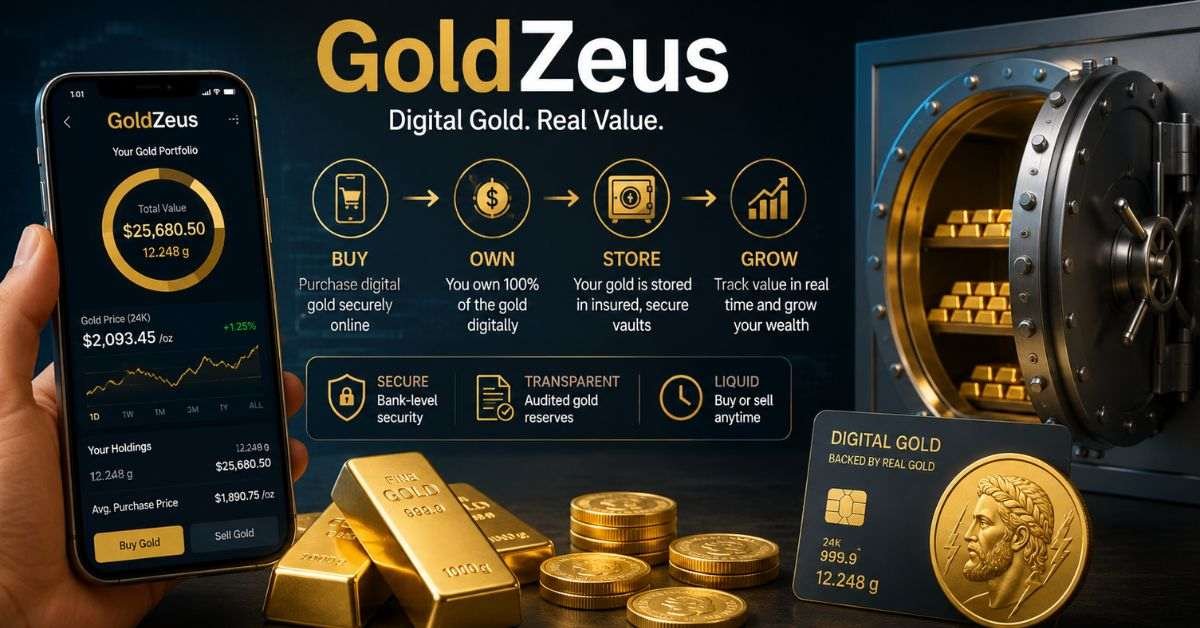
GoldZeus is commonly linked with digital gold or gold-backed tokens. Instead of a coin or bar, a buyer may receive a digital unit representing physical gold.
Before trusting such a claim, users should look for:
- The legal name and address of the company
- The country where the business is registered
- The name and location of the vault provider
- Recent reserve or audit reports
- Clear selling and redemption rules
GoldZeus should only be considered once these details have been verified through reliable sources. A professional-looking website alone does not prove that real bullion is being stored for customers.
How Digital Gold Works
A digital-gold provider buys bullion, stores it in a vault, and creates online units linked to its weight or value. Customers may buy full or fractional units.
The usual process includes
- Opening an account and completing identity checks
- Depositing money through an approved method
- Buying units at the displayed gold price
- Viewing the balance in an account or wallet
- Selling the units or requesting delivery when available
With GoldZeus, buyers should read the legal terms before assuming that a token provides direct ownership of a particular bar. The agreement should explain exactly what each digital unit represents.
What Does the Buyer Own?
Digital-gold products offer different rights. Allocated gold is linked to a specific bar or recorded portion. Unallocated gold gives the buyer a claim on a shared pool, while a price-linked token may only track the market price.
| Ownership Type | What It Means | Main Question |
| Allocated gold | Specific metal is assigned to the customer | Are bar records available? |
| Unallocated gold | The buyer has a claim on shared gold | What happens if the company fails? |
| Price-linked unit | The unit follows the gold price | Is physical gold actually owned? |
Before paying GoldZeus, users should confirm whether customer assets Users should confirm whether GoldZeus separates customer assets from company money before making a payment. from company money. They should also learn what happens to their holdings if the business closes or becomes insolvent.
Benefits of Buying Gold Online
Digital gold can allow small purchases without requiring people to keep valuable metal at home.
Possible benefits include
- Lower starting amounts
- Quick online buying and selling
- Professional vault storage
- Simple price tracking
- Fewer home-security concerns
- Possible access to physical redemption
GoldZeus may appeal to beginners, but its utility is dependent on reasonable pricing, good security, and clear ownership rules. Do not confuse easy access with guaranteed safety or profit.
Risks Users Should Understand
Gold prices can fall, and an online service adds risks such as company failure, false vault claims, or hacked accounts.
The main risks include the following:
- Company risk if the provider closes
- Custody risk if bullion is missing or underinsured
- Cyber risk from stolen passwords or online attacks
- Liquidity risk if units are difficult to sell
- Redemption risk from high delivery limits or fees
- Legal risk from unclear ownership conditions
GoldZeus users should not depend solely on advertisements, influencers, or paid reviews. Independent company records, vault reports, and legal documents are more useful than marketing promises.
Digital Gold, Physical Gold, and Gold ETFs.
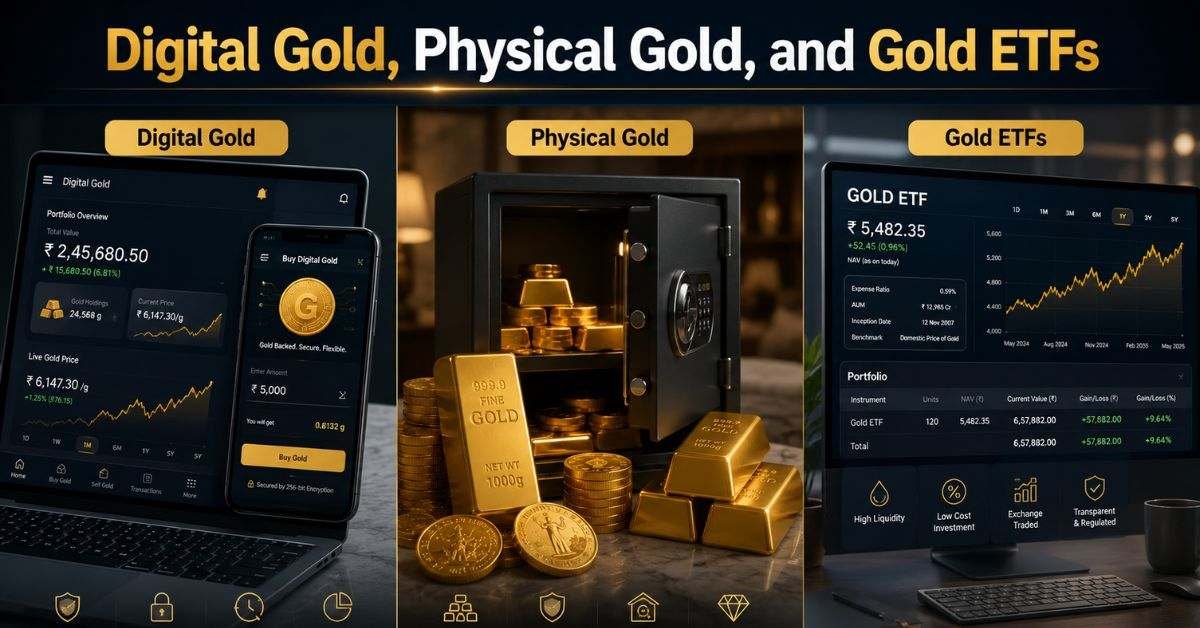
Each method offers different levels of control, convenience, and risk.
| Feature | Digital Gold | Physical Gold | Gold ETF |
| Storage | Provider or vault | Owner, bank, or private vault | Fund custodian |
| Starting cost | Often low | Based on coin or bar size | Based on share price |
| Selling | Through the platform | Through a dealer or buyer | During market hours |
| Main risk | Company and technology | Theft, loss, or fake metal | Fund and market risk |
| Physical access | Sometimes available | Immediate | Usually unavailable |
GoldZeus may provide easier access than physical bullion, but buyers must compare its total costs and legal protections with other gold options. Physical gold provides direct control, while a gold ETF may be easier to trade through a regulated broker. The right choice depends on the buyer’s budget, goals, and comfort with risk.
How to Check a Digital-Gold Platform
Before sending a large payment, verify the service.
- Search for the company in an official business register
- Confirm any license on the regulator’s website.
- Identify the vault company and storage location
- Review recent independent reserve reports
- Read insurance limits and exclusions
- Check buying, selling, withdrawal, and delivery fees
- Test customer support with clear questions
GoldZeus should provide direct and understandable answers. Missing company information, guaranteed-return claims, pressure to invest quickly, and requests for private payments are serious warning signs. An independent audit should confirm both the amount of gold in storage and the number of digital units issued. A blockchain record alone cannot prove that physical metal exists inside a vault.
Fees and Pricing
The market price might not always reflect the ultimate price. A platform may add a buying-and-selling spread plus storage, insurance, withdrawal, currency, or delivery charges. For example, a €1,000 deposit with a 2% buying spread leaves €980 for gold. A selling fee raises the break-even point. This means the gold price may need to increase before the customer makes any profit. When reviewing GoldZeus, ask for an example showing the amount of gold received, every charge, and the money returned after an immediate sale. Pricing information should be easy to locate and understand.
A Safer Way to Start
Confirm the website, legal company, ownership structure, and vault partner. Compare prices, start with a small test purchase, enable two-factor authentication, and test withdrawals before adding more money. GoldZeus should never be treated as a guaranteed income method. Do not invest money needed for rent, food, bills, debt, or emergencies. Keep receipts and transaction records, as you may need them for account checks or tax reporting.
Buyers should also avoid making decisions because of countdown timers, limited-time offers, private messages, or fear of missing out. A trustworthy provider should allow customers enough time to read its terms.
FAQs
Is GoldZeus the same as owning a gold bar?
Not always. The legal terms decide whether a digital unit provides direct ownership, shared ownership, or only exposure to the gold price.
Can digital gold lose value?
Yes. Gold prices can fall, while fees, low demand, or company problems may create additional losses.
Can users request physical delivery?
Some allow it, but minimum quantities, fees, taxes, and location limits may apply.
Does blockchain prove that vault gold exists?
No. Blockchain records digital activity, but independent vault inspections are still required to confirm the physical reserves.
Is GoldZeus suitable for beginners?
Beginners should first check ownership rights, fees, security, audits, and company records.
Conclusion
Digital gold can make bullion easier to buy and sell without home storage. Yet buyers depend on the platform, its custodian, technology, and legal agreements. Before using GoldZeus, verify who operates the service, where the metal is stored, how reserves are inspected, what insurance applies, and whether customers can sell or redeem their units. Please review each charge carefully and consider making a small initial purchase. Use the checks in this guide to compare digital gold with physical bullion and regulated gold funds. No investment platform should be trusted only because it offers simple access or attractive returns. A careful and informed decision is safer than acting because of pressure, excitement, or fear of missing out.